

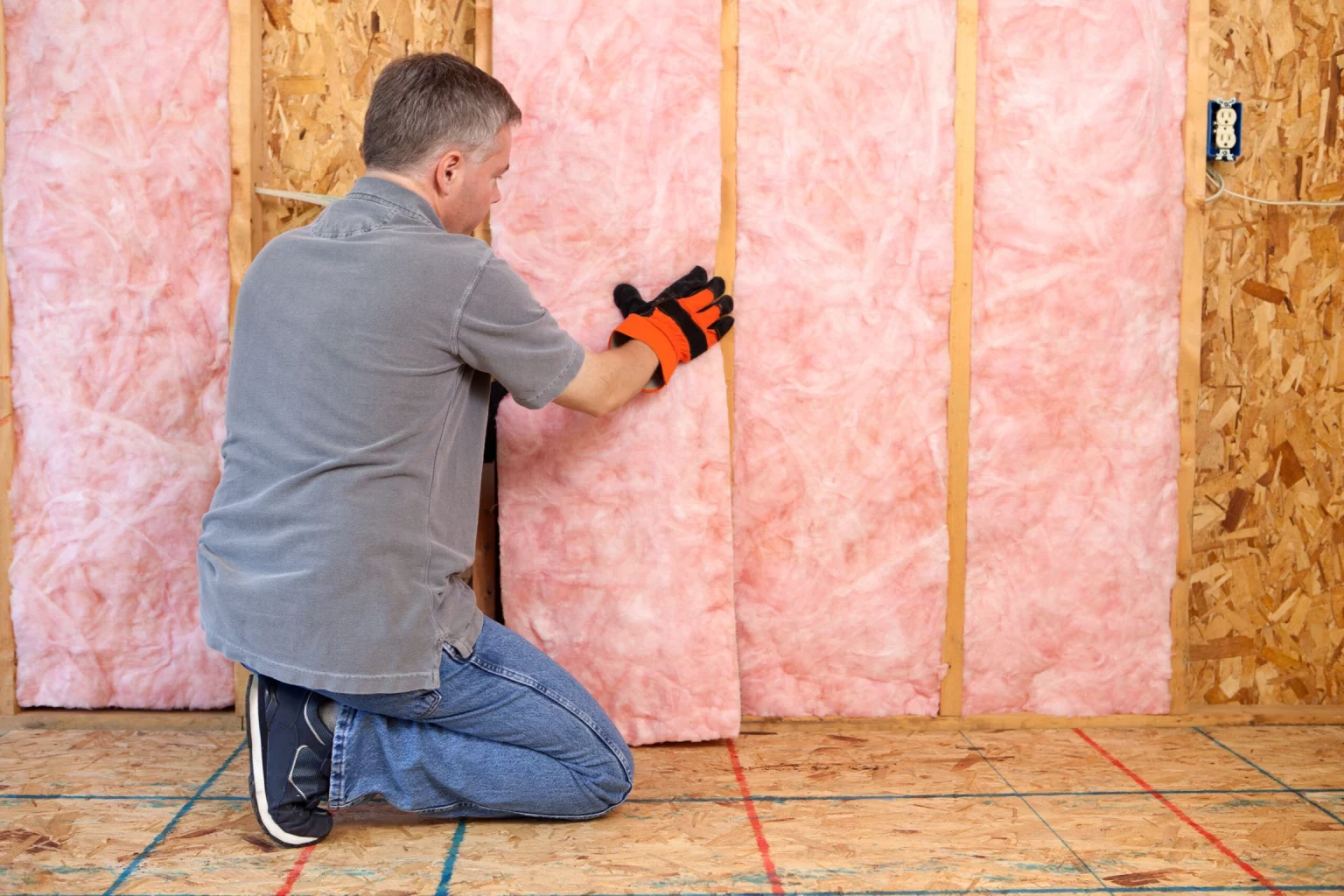
Your existing home insulation is probably no longer effective when you notice uneven temperatures from room to room, heating and cooling bills that keep climbing despite unchanged habits, persistent drafts, ice dams along the roofline, or attic insulation that sits level with or below the floor joists. The fastest way to confirm is a hands-on check: measure the insulation depth in your attic, peek behind an exterior wall outlet, and run a simple draft test. Some homes were never insulated to modern standards, while others have material that has settled, compressed, or absorbed moisture over the years. The right fix depends on what you find, and in the Inland Northwest, where winter cold snaps and hot summer afternoons both push your HVAC system hard, weak insulation shows up fast in both comfort and energy use. In this guide, we walk through the warning signs, the do-it-yourself tests, and the upgrade paths we recommend to homeowners in our region.
Attic insulation that is level with or below the joists usually means you need more, while insulation well above the joists is generally adequate, according to ENERGY STAR’s DIY inspection guidance.
Insulation rarely fails all at once. It fades, and knowing why helps you read the symptoms correctly:
Run through this checklist. One symptom may have another explanation, but three or more together paint a clear picture:
| Warning Sign | Likely Cause | Where to Check First |
|---|---|---|
| Ice dams every winter | Attic air leaks and thin ceiling insulation | Attic floor and ceiling penetrations |
| One cold room or wing | Settled or missing batts in that section | Attic above the problem room |
| Climbing utility bills | Overall R-value below modern targets | Attic depth and wall cavities |
| Drafts at outlets and trim | Gaps in the air barrier | Exterior wall outlets and rim joists |
| Ceiling stains or musty smell | Wet, compacted insulation | Roof leak paths and bathroom fans |
Look across your attic with a flashlight. If insulation is level with or below the joists, ENERGY STAR says you probably need to add more. If the joists are buried, you are likely in decent shape, assuming the coverage is even with no low spots along the eaves.
To go further, measure the depth and identify the material using this table from ENERGY STAR:
| What You See | Likely Material | Multiply Depth (inches) By |
|---|---|---|
| Lightweight yellow, pink, or white loose fibers | Loose-fill fiberglass | 2.5 |
| Dense gray or near-white fibers with black specks | Rock wool | 2.8 |
| Small gray flat pieces of newsprint | Cellulose | 3.7 |
| Lightweight yellow, pink, or white batts | Fiberglass batts | 3.2 |
A safety note before you climb: some older attics contain vermiculite, a pebble-like gray mineral that may contain asbestos. ENERGY STAR advises not disturbing it until a lab has tested it.
Shut off power at the breaker, confirm the outlet is dead with a voltage tester, then remove the cover and shine a flashlight into the gap around the box. You can usually see whether the wall cavity contains insulation and how thick it is. Check outlets on every floor and in both old and new sections of the house, because one insulated wall tells you nothing about the rest.
DIY checks catch the obvious problems. A whole-home energy audit goes further: the University of Minnesota Extension recommends that weatherization professionals run a blower door test to measure ceiling airtightness and use infrared cameras to reveal exactly where heat is escaping. If your symptoms span the whole house, this diagnostic route saves guesswork.
Our region sits squarely in the cold half of the climate map, and the targets reflect that. ENERGY STAR recommends R-49 to R-60 in attics for climate zones 5 through 8, with R-60 as the retrofit goal for uninsulated attics in zones 5 and 6. The National Weather Service adds that attic insulation of at least R-30, and preferably R-38 in northern climates, combined with steady soffit-to-ridge airflow, is what keeps roofs cold enough to prevent ice dams. Just as important, air sealing comes first: the University of Minnesota Extension is clear that making the ceiling airtight, then adding insulation on top of it, is the sequence that actually stops winter heat loss.
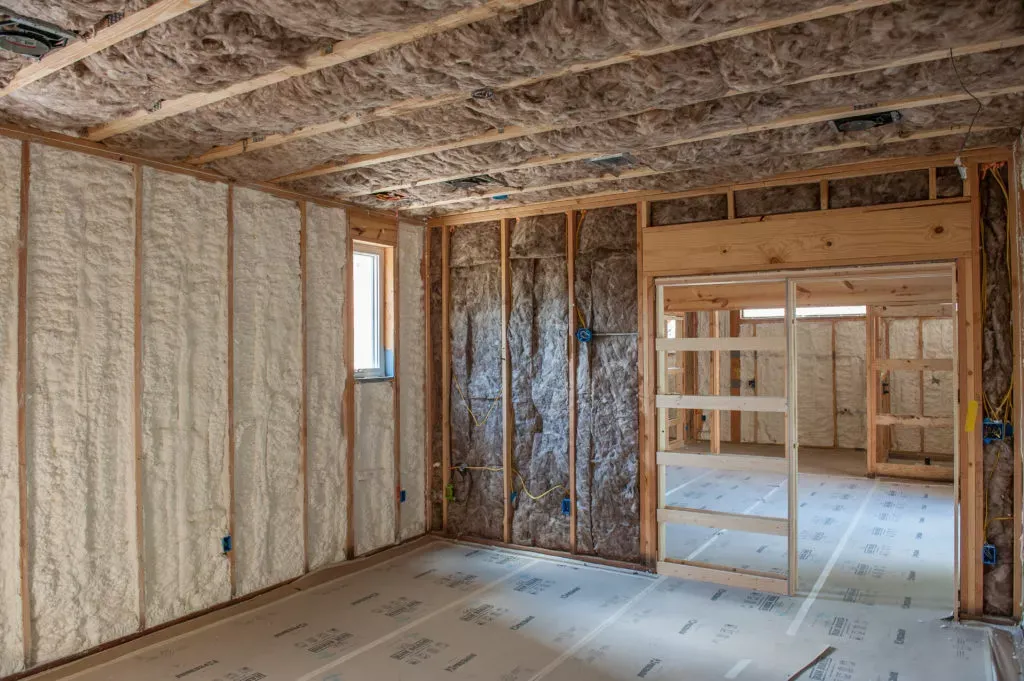
| Your Situation | Most Likely Culprit | Best First Step |
|---|---|---|
| Home built before 1980 with original walls | Empty or thin wall cavities | Outlet check, then dense-pack or spray foam retrofit |
| Ice dams return every winter | Ceiling air leaks plus low attic R-value | Professional audit, air sealing, then upgrade toward R-60 |
| Recent roof or plumbing leak | Saturated, matted insulation | Fix the leak, remove wet material, re-insulate |
| Rooms over the garage or crawlspace | Uninsulated or thin floor assembly | Insulate and air seal the floor system |
| High bills but no comfort complaints | Modest shortfall across the whole envelope | Attic top-off paired with targeted air sealing |
Whether you tackle this yourself or hire our team, quality work looks the same:
At Inland Northwest Spray Foam, we start every project with a real inspection, measure what you have, and explain exactly where your home is losing energy before we recommend anything. Our team installs spray foam that insulates and air-seals in one step, a combination well-suited to the ice-dam winters and hot-summer stretches we get across our region. Call us at (509) 471-0006 or email [email protected], then take the next step below.
Your home is trying to tell you something, and we can help you listen.
There is no fixed expiration date. Dry, undisturbed insulation can perform for decades, but settling, compression, and moisture shorten that life considerably, so condition matters more than age.
Usually yes, as long as the existing material is dry, level, and not vermiculite. If the old layer is wet, matted, or pest-damaged, removal is the better path.
Rarely. Wet fibers mat together and lose the trapped air that provides R-value, so replacement is almost always the reliable fix.
Compare your attic to the joist test and your bills year over year. Visible joists plus rising costs are a strong one-two signal.
It expands into gaps, stops the air leakage that drives ice dams and drafts, and delivers high R-value per inch in cavities where space is tight.